A Chaotic Beginning
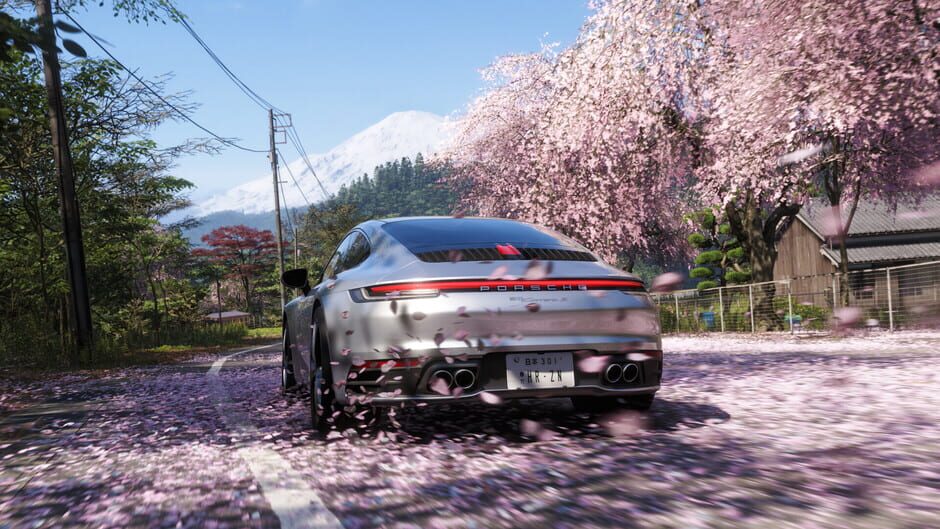
The session opened with everyone eager to dive into the topic of Forza Horizon 6. Immediately, Adrian Cole launched in with, 'Forza Horizon 6 ranks #1 with concurrent players at 165,318, and it hasn’t budged in days!'
Miriam Vance chimed in quickly, 'It's crucial to observe how quickly it rose as a newly released title. This speaks volumes about player interest in the racing genre.'
Before I could steer the conversation further, Julian Hart added, 'But we also need to talk about the design decisions behind that ascent, like the open world and the multiplayer features. These empower individual player experiences.'
(I found myself trying to keep everyone on the agreed agenda. It wasn't working.)
The First Clash
As the panel continued dissecting the metrics, Cole seized on the opportunity to reiterate data: 'It's solidified in the sales rankings, but what's the reason behind this? Marketing carved a significant path.'
Hart shot back, 'That’s reductive. The game's design is what retains player interest beyond the initial marketing cycle!'
I tried to intervene, 'Perhaps we can explore how both marketing and design play a role?' But before my suggestion took root, Vance was already pouring data on Slay the Spire 2.
'Slay the Spire 2 is seeing a decline in players, clearly suggesting a shift in player preferences. It’s not just design driving games; context and player interaction matter!'
(The voices were layering upon each other now; I needed to step in.)
The Dive into Metrics
Ellas Monroe had been quiet for several moments but finally jumped in, 'Look at the context here; the marketing strategies play an equally essential role.' He paused, gauging reactions, before continuing, 'Player retention doesn’t just happen; it’s cultivated through community engagement and timely updates.'
Cole, feeling cornered, countered, 'That's true, but at the end of the day, without striking data and sales metrics, all the design in the world doesn’t matter.'
Hart counter-argued, 'So you think it's just about raw numbers and not how players feel when they're engaged in the environment? We need to balance those perspectives.'
(It was clear I was losing control. I had already given up on trying to steer towards a conclusion.)
Where We Lost the Thread
At this point, the discussions had veered wildly from the initially agreed-upon topics. I attempted to bring everyone back to the notion of engagement, but only more fragmentation ensued. Vance had found something in the metrics again, and the room seemed to come alive with fresh enthusiasm.
'The week-over-week decline of competitors like Subnautica is striking; they dropped significant engagement, which could imply a need for revamping strategy,' she emphasized.
Monroe nodded toward Vance's metrics data but then jumped back into focusing on Forza Horizon 6: 'It's how they’ve managed to keep players engaged through community engagement events that we should investigate. Marking timestamps for significant content is crucial!'
As the others became engrossed in this new side track, I realized we had drifted far from the original agenda. Clara Bennett chimed in, redirecting yet again toward player experience. 'Reflecting on what this means for specific players has to take precedence; are they finding joy in the game?'
(It felt utterly chaotic still, but I had to admit, the energy turned into an unexpected source of insight.)
What We Agreed On, Eventually
Despite the animosity that flowed through disagreements, there was a central agreement formed midway: 'Forza Horizon 6's sustained player count showcases a utility vision that directly resulted from meticulous planning,' Cole stated.
'It's often a blend of design and marketing that drives player interaction,' Hart conceded, albeit through gritted teeth.
This moment sparked some clarity. Bennett interjected, bringing it back to the community, 'Player-driven content is really essential to assess how a title performs.'
By exploring the features that enthrall players, an emerging consensus illustrated how multiple dynamics intertwine to impact a title's trajectory in gaming.
(I breathed a sigh of relief, albeit briefly.)
The Argument That Didn't End
However, the debate on whether design or marketing ultimately played a stronger role was still boiling under the surface. As the hour slipped by unnoticed, it became evident that there was no resolution in sight.
'Marketing is about grabbing attention,' Cole reiterated, while Hart countered, 'But how you deliver experiences afterward is what either retains or loses that attention! It's the engagement we should target, not the flash!'
Each side had their respective arguments bolstered by earlier claims. The battle over whose point of view outweighed the other developed a passionate thread of contest.
As the time ticked down, I realized we were no closer to agreement, which somehow added value to the dialogue. The panelists exchanged points of view that reflected how multi-faceted this discussion had become. Their words showcased the various perspectives needed to analyze any game's path to success.
(At the end of it all, I couldn't help but think this debate could have gone on indefinitely.)
Final Thoughts
As I prepared to wrap, I contemplated the depth of insights revealed through this seemingly disordered discourse. Cole was correct in emphasizing the raw data as critical to understanding market dynamics.
Vance’s points on shifting player engagement among competitors brought clarity that was essential to the conversation.
Monroe's reminder of community and strategic marketing connected the dots for many. Seeing how these could coexist was enlightening.
Hart's focus on the design reaffirmed the emotional ties beyond numbers and offered a refreshing perspective that reached across the crowd’s views.
(As I finally placed a lid on the discussions, I took a moment to appreciate how a chaotic roundtable had yielded such a wealth of knowledge.)