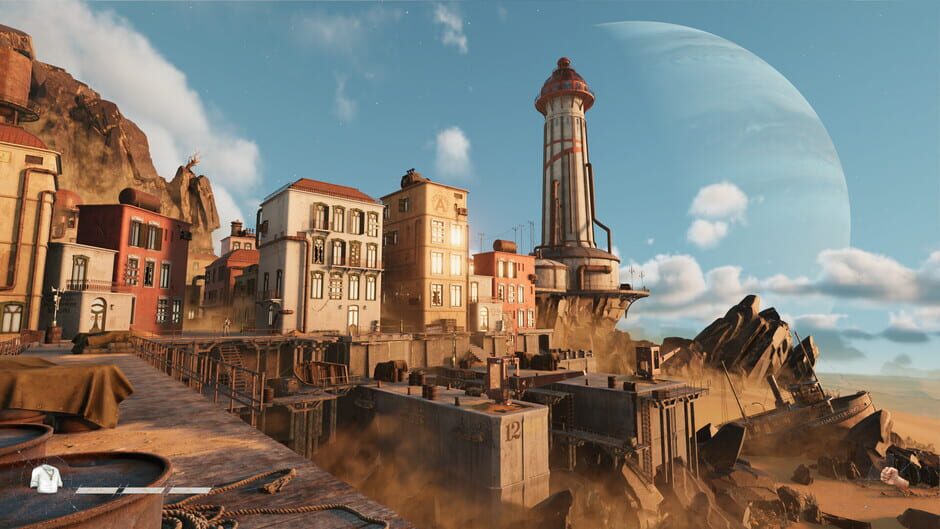
Initial Launch and Immediate Challenges
Sand: Raiders of Sophie hit Steam Early Access on June 22, 2026, but the launch was marred by widespread server issues. Players reported significant connectivity problems, which can be traced back to a failed stress test that revealed the infrastructure was not adequately prepared for high player volume. This incident not only delayed the launch by 12 days but also raised serious concerns about the game’s operational stability right out of the gate.
The stress test aimed at accommodating 4,000 concurrent players ended up crashing the servers, indicating a critical failure in the underlying architecture designed to support player engagement. This situation is indicative of a broader trend in the gaming industry, particularly among indie developers, where rapid scaling and infrastructure robustness are often overlooked in the race to launch.
While the game has since been made available to players, the immediate fallout has led to a spike in negative reviews and player dissatisfaction. This situation emphasizes the importance of robust infrastructure planning and the need for contingency measures when engaging with large player bases in real time.
What Changed Operationally?
The operational landscape shifted dramatically for Sand: Raiders of Sophie following its Early Access launch. Players now face a game that is not just about the gameplay experience but also about navigating significant server-related challenges. The ability to connect, play, and enjoy the game has been compromised due to the backend issues that emerged during the initial days post-launch.
These operational challenges extend beyond mere connectivity issues. The server outages and performance lags reflect a critical gap in the game's infrastructure readiness. Players looking for a seamless experience are instead met with frustration, which can lead to long-term consequences for player retention and community growth.
Furthermore, the developers are now under pressure to implement rapid fixes and optimize server performance. This is not just about addressing immediate concerns but also about restoring player trust and ensuring that future updates can be deployed without similar issues. The operational question is whether the developers can pivot quickly enough to salvage the early player sentiment.
Implications for Players and Developers
For players, the launch of Sand: Raiders of Sophie represents a double-edged sword. While the prospect of new content in Early Access is enticing, the accompanying server issues pose a risk to their gaming experience. Players may be left questioning whether the game is worth their time and investment, especially if connectivity issues persist.
Developers, on the other hand, face a critical juncture. The backlash from players can lead to reputational damage, which is particularly harmful for indie developers who rely heavily on community support and word-of-mouth. In this case, Hologryph and tinyBuild are now tasked with not only resolving the technical issues but also engaging with the community to rebuild trust.
This situation highlights the importance of transparent communication from developers regarding server issues and expected resolutions. Developers should be proactive in providing updates and setting realistic expectations to mitigate player frustration and maintain a positive community atmosphere.
Hard Controls vs. Soft Promises
In analyzing the operational environment of Sand: Raiders of Sophie, it is essential to differentiate between hard controls and soft promises. The game’s developers made commitments to ensure a smooth launch and ongoing support. However, the reality experienced by players highlights a gap between these assurances and the actual enforcement of robust server management.
Hard controls would include the infrastructure capable of handling peak loads, comprehensive testing before launch, and a reliable incident response plan. The failure to manage a stress test signals that these hard controls were either insufficient or not thoroughly implemented. This raises questions about the operational maturity of the development team and their ability to scale effectively.
On the other hand, the soft promises made to players during marketing and pre-launch communications now face scrutiny. Without the backing of a solid operational framework, these promises risk becoming empty rhetoric, which can further alienate a player base that is already frustrated by the initial experience.
The Broader Industry Context
The launch issues faced by Sand: Raiders of Sophie are reflective of a larger trend within the indie game sector, where the rush to market can lead to significant oversights in infrastructure planning. As games increasingly rely on online interactions and persistent worlds, the need for robust server architecture becomes non-negotiable.
Recent trends indicate a growing emphasis on cloud-based solutions and scalable architectures to support game launches. However, not all developers possess the resources or expertise to implement these solutions effectively. This disparity can lead to a situation where a few games succeed while others falter at launch due to inadequate infrastructure.
As the gaming landscape evolves, developers must prioritize operational readiness along with creative innovation. The ability to manage server load, ensure uptime, and provide a seamless player experience will define the success of future titles in an increasingly competitive market.
What to Watch Next
Moving forward, the key consideration for both players and developers will be the response to the current infrastructure challenges. Players will be closely monitoring updates regarding server performance and connectivity as the developers work to stabilize the experience. Any delays in communication or failure to address these issues could exacerbate player dissatisfaction.
Moreover, it will be essential to observe how Hologryph and tinyBuild engage with their player community during this recovery phase. Transparency and responsiveness can go a long way in mitigating the fallout from the launch issues and restoring faith in the game.
On a broader scale, industry watchers should keep an eye on the strategies employed by indie developers in managing similar challenges. Lessons learned from Sand: Raiders of Sophie could set precedents for future game launches, shaping how developers prepare for and respond to player engagement in the era of online multiplayer experiences.
Why This Matters
The launch of Sand: Raiders of Sophie serves as a critical case study in the importance of infrastructure in the gaming industry. As games increasingly rely on online connectivity, the operational details become as crucial as the gameplay itself. The challenges faced by this title highlight the risks of rushing to market without adequate planning.
For players, the situation underscores the importance of advocating for transparency and operational integrity from developers. Understanding the implications of server performance on gameplay can empower players to make informed decisions about their engagement with new titles.
Ultimately, the fallout from Sand: Raiders of Sophie could influence how future indie games are developed and launched. As the industry grapples with these challenges, the lessons learned here may lead to more robust infrastructure practices and a greater emphasis on operational excellence among developers.