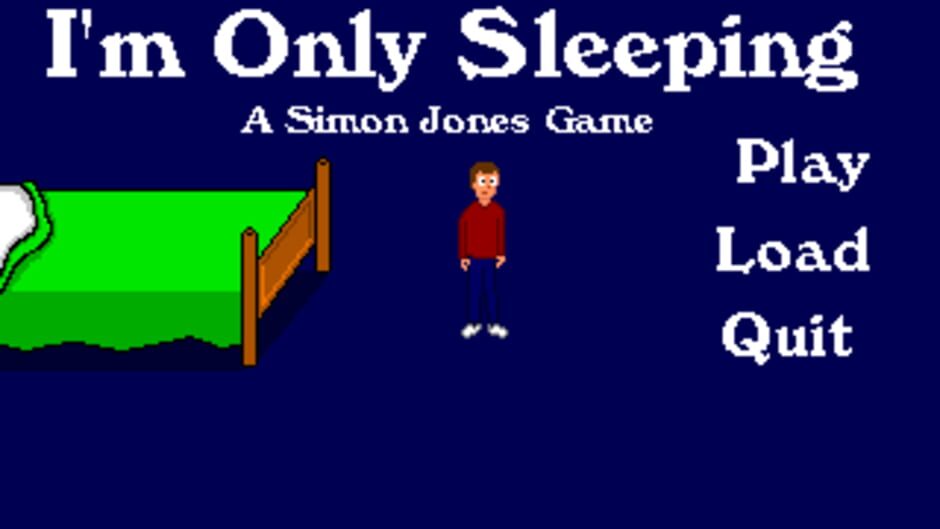
A Current Snapshot of 'I'm Only Sleeping'
The game 'I'm Only Sleeping' has recently faced notable server challenges, coinciding with significant Twitch viewership fluctuations. On May 13, the game peaked at 74,516 viewers, indicating a spike in player interest that was not matched by server performance. Concurrently, there were reports of server maintenance issues across various platforms, raising questions about the reliability of game infrastructure in relation to player engagement.
Server issues are not uncommon in games, especially during peak times when player traffic surges. For 'I'm Only Sleeping', the combination of high Twitch viewership and low server performance presents a critical juncture. Players expect seamless experiences, especially when showcasing their gameplay on streaming platforms, and when that expectation is not met, it can lead to significant dissatisfaction and a drop in engagement.
The growing dependence on online servers for gameplay emphasizes the need for developers to invest in robust infrastructure. As reported widely, server performance directly influences player retention and satisfaction, making it a critical aspect of game development that cannot be overlooked.
Historical Context of Server Performance Issues
Reflecting on the past, server issues have plagued many games, often leading to community backlash and decreased player trust. For instance, titles like 'No Man's Sky' and 'Fallout 76' faced severe criticism during their launches due to server instability, which hampered the player experience. These precedents highlight a pattern where server reliability becomes a pivotal factor in a game's success and longevity.
In the case of 'I'm Only Sleeping', the recent disruptions can be likened to previous cases in the industry where server failures coincided with promotional peaks, leading to a disillusioned player base. Players invest their time and often money into these experiences, expecting the infrastructure to support their engagement.
The historical data suggest that games failing to provide stable server performance during critical periods can lead to longer-term ramifications, including player attrition and negative reviews, which can be detrimental to a game's reputation.
Comparing Twitch Viewership Trends
The Twitch viewership data for 'I'm Only Sleeping' illustrates a direct correlation between player interest and server performance. The peak viewership reaching over 74,000 viewers on May 13 coincided with complaints about server stability. Conversely, on days when server issues were most pronounced, viewership dropped significantly, reflecting player frustration.
This pattern aligns with previous observations in the gaming industry where server issues lead to a sharp decline in Twitch viewership. For example, games like 'Cyberpunk 2077' experienced similar spikes and drops in streaming interest correlating with server performance issues. The visibility of these games on platforms like Twitch amplifies the impact of such disruptions, as frustrated viewers often express their discontent in real-time.
The implications are significant: if developers do not address server reliability, they risk not only losing player engagement but also the visibility that comes with streaming platforms. This presents a dual challenge for developers-maintaining server integrity while promoting player interaction.
Developer Accountability and Future Expectations
The ongoing server issues with 'I'm Only Sleeping' raise critical questions about developer accountability. When server performance fails to meet player expectations, especially during promotional events or high-traffic periods, developers must take responsibility for these shortcomings. Transparency regarding server capacity and maintenance schedules can play a crucial role in managing player expectations and sustaining engagement.
Industry standards have shifted; players now demand not only high-quality content but also reliable infrastructure that supports their gaming experiences. Developers are increasingly held accountable for their game’s performance, with community backlash often leading to calls for better communication and infrastructure investment.
As the gaming landscape evolves, it is imperative for developers to prioritize server reliability as a component of the overall player experience. This involves not just reactive measures post-launch, but proactive strategies that anticipate player needs and traffic patterns.
Why This Matters
Understanding the implications of server performance in games like 'I'm Only Sleeping' is crucial for both players and developers alike. For players, consistent server issues can diminish their enjoyment and investment in a game, leading to potential abandonment. For developers, failing to address these issues can result in lasting damage to their reputation and player base.
The connection between server reliability and player satisfaction is increasingly recognized as a critical factor in a game's success. As the industry continues to evolve, addressing these issues will become even more significant, particularly with the rise of multiplayer and online games that rely heavily on server infrastructure.
In summary, monitoring server performance and player engagement metrics will be vital for developers moving forward. The recent issues faced by 'I'm Only Sleeping' serve as a reminder that in the competitive landscape of gaming, the player experience cannot be compromised.
Unanswered Questions
What specific measures are being implemented to address the server issues currently faced by 'I'm Only Sleeping'?
How do developers plan to enhance their server infrastructure to prevent similar issues in the future?
What feedback mechanisms are in place for players to report server issues directly to developers?
How do these server performance issues affect future updates or content releases for 'I'm Only Sleeping'?
What lessons can other developers learn from the server challenges faced by 'I'm Only Sleeping'?