Ranking System Overview
Each of the games evaluated employs distinct ranking systems that impact competitive play and player engagement. Escape the Backrooms utilizes an informal ranking system based on player achievements and community feedback rather than strict tiers. In contrast, Gothic 1 Remake and RuneScape: Dragonwilds use traditional matchmaking systems that feature defined ranks and divisions.
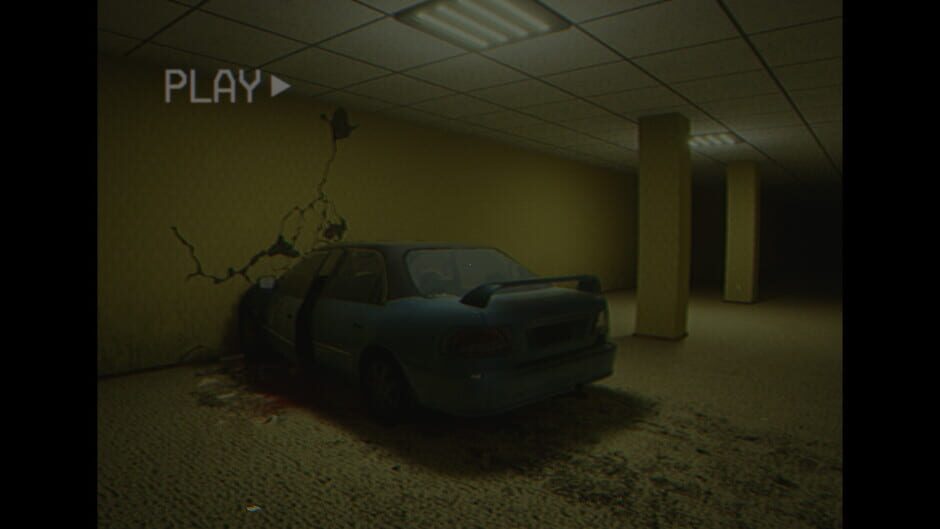
Escape the Backrooms, launched on October 23, 2025, focuses on cooperative gameplay, emphasizing skill acquisition over competitive ranking. This design invites players to explore various strategies without the pressure of falling ranks. Meanwhile, Gothic 1 Remake, released on June 5, 2026, has adopted a conventional ranking model, with players competing to increase their tier through combat proficiency and mission success.
RuneScape: Dragonwilds, set to launch on consoles in September 2026, is also notable for its structured competitive ranking, which rewards players for completing tasks and participating in events. This title aims to attract a broader audience by integrating competitive elements that engage players in both solo and cooperative settings.
Escape the Backrooms: Informal Ranking Dynamics
Escape the Backrooms fosters a unique environment where player skill development drives engagement. The absence of a formal ranking metric allows players to focus on mastering game mechanics and collaborating with others to solve complex scenarios. The recent player data indicates a peak concurrent player count of 12,289 on June 21, 2026, reflecting a healthy interest in community-driven play.
Despite fluctuations, the game's player count has seen a minor decline of 4.3% from the prior week. This suggests that while the player base remains engaged, the lack of competitive incentives may lead to retention challenges as players seek more structured competitive environments.
The implications of this informal ranking system are twofold: it allows for greater accessibility but may limit the depth of competitive engagement as players transition to more structured games. The community's feedback will be critical in shaping future updates, especially as new mechanics or ranking systems are considered.
Gothic 1 Remake: Structured Competitive Play
Gothic 1 Remake has adopted a more traditional approach, focusing on a competitive ranking system that emphasizes player skill through structured tiers. Since its release, the game has experienced a notable decline in concurrent players, dropping by 31.4% to 12,051 as of June 24, 2026, following a peak of 17,564 earlier in the month.
This decline raises questions about the effectiveness of its ranking system. Players may feel incentivized to compete within ranks, yet the game's technical issues and bugs have marred the experience, leading to frustration and decreased engagement. Analysis shows that effective communication of updates and ranking adjustments will be crucial to restoring player trust and engagement.
With its ranking system, Gothic 1 Remake aims to create a competitive atmosphere, but the fluctuating player count suggests that addressing technical issues and enhancing the competitive framework are necessary for long-term retention.
RuneScape: Dragonwilds: Anticipating Competitive Launch
RuneScape: Dragonwilds is preparing for a significant transition as it approaches its full launch on September 15, 2026. The game's ranking system is designed to reward players for achievements and participation, providing a compelling incentive structure that could potentially increase player engagement.
Currently, RuneScape: Dragonwilds has a listing rank of 7 among top sellers, indicating a positive reception and market interest. The anticipation surrounding its console launch may draw in a broader audience, further enriching the competitive ecosystem.
As the game transitions from Early Access, it remains to be seen how effectively it will balance casual engagement with competitive ranking. The success of its ranking system will likely depend on how well it accommodates both new players and veterans, ensuring a fair and rewarding experience for all.
Why This Matters
Understanding the differences in ranking systems across these titles is essential for players and developers alike. Competitive ecosystems thrive when players feel that their efforts are rewarded and that they can track their progress in a meaningful way. The informal ranking in Escape the Backrooms may appeal to casual players, but as seen in Gothic 1 Remake, a lack of technical stability can undermine the competitive experience.
The upcoming launch of RuneScape: Dragonwilds provides a timely opportunity to analyze how structured ranking can foster engagement. As players transition between different systems, their experiences will shape the competitive landscape and influence future game design.
For developers, monitoring player feedback and adapting ranking frameworks in real-time can enhance retention. Games that successfully integrate player input into their ranking systems are more likely to maintain a vibrant competitive ecosystem, catering to both casual and hardcore audiences.