The Current State of RPGs: A Closer Look
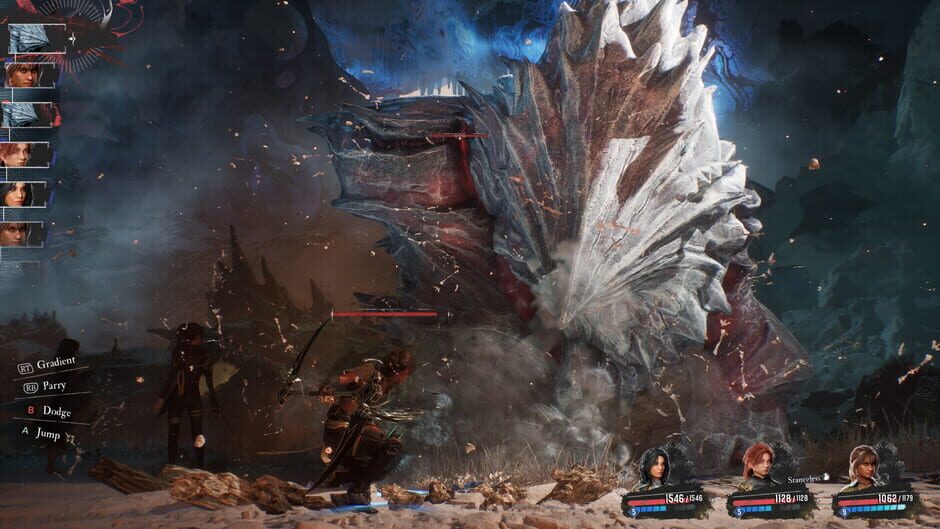
As of June 2026, the RPG genre is undergoing a notable transformation, particularly through the lens of recent releases such as 'Clair Obscur: Expedition 33' and 'Crimson Desert Edición Estándar'. The former, developed by Sandfall Interactive, has garnered a significant player base, with concurrent players peaking at 9,884 just a few days ago, marking a 36% increase from the previous week. This surge suggests a growing resonance with contemporary audiences, who are increasingly seeking depth and complexity in their gaming experiences.
Conversely, 'Crimson Desert Edición Estándar', while not achieving the same player engagement metrics, represents a critical pivot in RPG design, focusing on an expansive open world and intricate combat mechanics. Both titles, despite their differences in execution and thematic focus, highlight a collective shift within the genre towards more nuanced storytelling and player agency.
This analysis aims to explore how these games reflect broader trends in RPG design and what this evolution implies for future titles within the genre. It is essential to consider not only the mechanics of gameplay but also the emotional and narrative frameworks that underpin player experiences.
Player Engagement: Numbers Tell a Story
The player engagement data for 'Clair Obscur: Expedition 33' reveals not just numbers, but a story of connection and investment. The game boasts a current player count of 5,710, with peaks indicating a potential for even greater engagement. A 36% increase week-over-week signals that players are not just engaging with the game on a superficial level; they are returning, suggesting that the narrative and character development resonate deeply with their experiences.
In contrast, 'Crimson Desert Edición Estándar' has struggled to capture a similar level of engagement, with concurrent players remaining significantly lower. This disparity raises questions about design choices and the narrative approaches employed by each title. What is it about the storytelling mechanics in 'Clair Obscur' that fosters such strong player loyalty, whereas 'Crimson Desert' appears to falter in this regard?
The implications of this data extend beyond mere numbers; they reflect a shift in what players prioritize in their gaming experiences. As RPGs evolve, the emphasis on narrative and emotional connection becomes paramount, challenging developers to rethink their approaches to player engagement.
Narrative Depth versus Gameplay Mechanics
At the heart of this genre inflection lies a dichotomy between narrative depth and gameplay mechanics. 'Clair Obscur: Expedition 33' leans heavily into narrative complexity, presenting a richly woven story that intertwines player choice with character development. Players are not merely participants in a story; they are active shapers of it, making choices that resonate with the game's emotional landscape. This approach aligns with contemporary expectations for storytelling in games, where the line between player and character blurs, allowing for a more immersive experience.
In contrast, 'Crimson Desert Edición Estándar' emphasizes gameplay mechanics, particularly its combat system, which has been described as 'best-in-class' by early reviewers. However, this focus on mechanics can sometimes overshadow narrative development, creating a disconnect for players who seek emotional engagement alongside action. The challenge for developers lies in balancing these elements to create a cohesive experience that feels both engaging and meaningful.
This divergence in focus illustrates a broader trend within the RPG genre, where players increasingly demand depth and complexity from their narratives. As evidenced by the success of 'Clair Obscur', games that prioritize storytelling and character development are likely to resonate more strongly with audiences, highlighting the necessity for developers to consider the narrative implications of their design choices.
Cultural Context: Changing Player Expectations
The evolution of RPGs is not merely a result of design choices but also a reflection of changing cultural contexts and player expectations. In an era where narratives in media-be it film, literature, or games-are becoming more interconnected and complex, players have come to expect similar depth from their gaming experiences. The success of 'Clair Obscur: Expedition 33' can be attributed to its ability to tap into this cultural zeitgeist, offering players a narrative that feels relevant and engaging.
Moreover, as gaming becomes an increasingly mainstream form of entertainment, the audience expands beyond traditional gamer demographics. This shift necessitates a broader understanding of narrative and character development, as newer players may seek experiences that are relatable and emotionally resonant. 'Clair Obscur' effectively navigates this landscape by crafting a story that speaks to contemporary issues, inviting players to reflect on their own experiences and choices.
On the other hand, 'Crimson Desert', with its focus on mechanics and expansive world-building, risks alienating these newer audiences. As such, it represents a cautionary tale within the RPG genre, highlighting the importance of balancing gameplay and narrative to meet the expectations of an evolving player base.
Why This Matters Now
Understanding the shifting dynamics within the RPG genre is crucial for both developers and players alike. As evidenced by the successes of 'Clair Obscur: Expedition 33', games that embrace narrative depth and allow for player agency are likely to thrive in a competitive market. The data suggests that players are actively seeking experiences that resonate with their emotional and cognitive expectations, making it imperative for developers to adapt their designs accordingly.
Furthermore, the cultural implications of these shifts extend beyond mere entertainment; they reflect a broader societal movement towards valuing narratives that challenge, engage, and inspire. As the gaming landscape continues to evolve, the demand for stories that reflect diverse perspectives and experiences will only grow, pushing developers to rethink their creative processes.
Ultimately, the question remains: what does this mean for the future of RPGs? As the genre continues to navigate this inflection point, it will be essential for developers to prioritize narrative alongside gameplay mechanics, ensuring that their creations resonate with a diverse and evolving audience. The success of titles like 'Clair Obscur' serves as a testament to the potential of narrative-driven experiences in shaping the future of the RPG genre.
The Road Ahead: What to Watch
Looking forward, the landscape of RPGs appears ripe for innovation and exploration. With 'Clair Obscur: Expedition 33' setting a high bar for narrative engagement, it will be interesting to observe how other developers respond to this challenge. Will we see a resurgence of story-driven titles that prioritize character depth and player agency, or will the focus remain on mechanics and combat systems?
Additionally, the ongoing discourse surrounding narrative representation in games will likely influence design trends. As players become more vocal about their desires for inclusive and diverse storytelling, developers must adapt to these expectations or risk falling behind. This evolution could pave the way for groundbreaking narratives that reflect the complexity of human experience, ultimately enriching the RPG genre as a whole.
As we anticipate the next wave of RPG releases, it is crucial for both players and developers to engage in this dialogue. By understanding the implications of design choices and player expectations, the gaming community can foster a more inclusive and innovative environment that celebrates the art of storytelling. The road ahead is uncertain, but one thing is clear: the future of RPGs is poised for exciting developments.