A Month of Reflection: What Players Are Actually Engaging With
As we step back from the initial launch frenzy of Clair Obscur: Expedition 33, it is worth examining how the game has settled into the gaming ecosystem. Released on April 24, 2025, and now more than a month into its lifecycle, the title has garnered a remarkable 8 million sales, an impressive feat that underscores its cultural resonance. However, as the noise of launch week fades, a more nuanced picture emerges, one that reveals a slight yet indicative decline in player engagement.
Recent data indicates a peak of 6,629 concurrent players as of September 26, 2026, a marginal decrease from 6,726 the previous week, reflecting a 1.4% drop in active engagement within the game's dynamic. While this might seem inconsequential at first glance, it prompts a deeper inquiry into the design decisions that initially attracted players and whether they can sustain interest over the long term.
Examining Player Sentiment: The Highs and Lows
In this critic's assessment, the game's current approval rating of 95.66% based on a substantial 111,032 reviews indicates that players are largely satisfied with their experiences. This sentiment aligns with the game's critical acclaim, particularly for its narrative depth and innovative gameplay mechanics that blend turn-based strategies with real-time elements, an approach that distinguishes Clair Obscur from other titles in the RPG genre. However, the question looms: can this high approval rating compensate for the observed dip in player numbers?
The game’s mechanics have been praised for their immersive quality, allowing players to engage in battles that feel both strategic and responsive. Yet, the decline in active players suggests that while the initial allure may have been compelling, retaining that engagement is an entirely different challenge. What this reveals is that despite initial satisfaction, the gameplay loop may lack the longevity that players crave in an increasingly competitive landscape.
Design Intent vs. Player Behavior: A Divergence
What is notable here is the divergence between the game’s intended design and the actual player experience. Clair Obscur was designed with the expectation that its unique real-time mechanics would encourage continuous engagement, yet the current metrics suggest that players may not be returning to the game as frequently as anticipated. This raises critical questions about whether the gameplay systems are sufficiently rewarding or if they fail to provide a compelling reason for players to return.
Furthermore, the game's narrative, while appreciated, may not offer the replayability that sustains long-term investment. Players often return to games that provide new experiences with each playthrough or offer content that evolves over time. In this instance, the initial excitement surrounding the game’s release may not have translated into a sustained engagement strategy, highlighting a crucial area for future updates and design adjustments.
A Rich Tapestry of Themes and Artistry
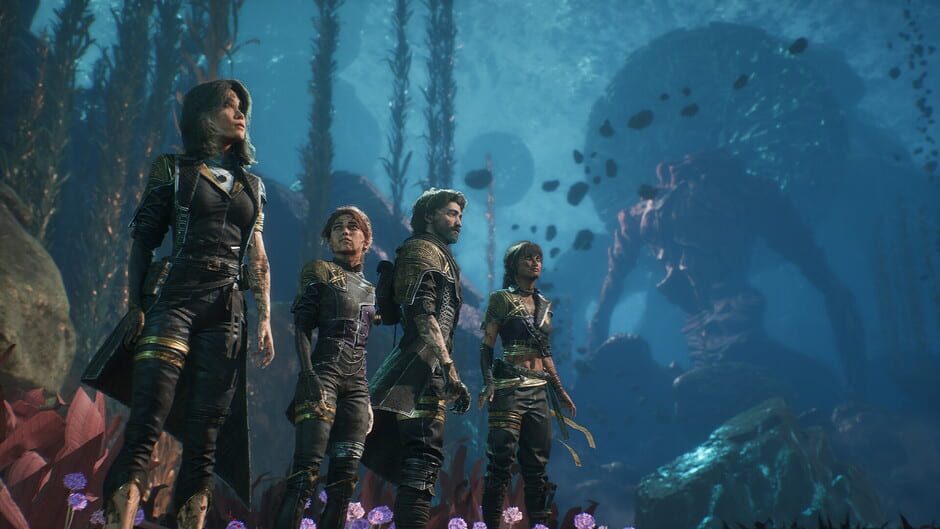
One cannot overlook the rich tapestry of themes and artistry embedded within Clair Obscur. The narrative, which has garnered praise for its emotional depth and artistic direction, is a significant draw for players. The visual style, inspired by Belle Époque France, contributes to an immersive atmosphere that resonates with players on an aesthetic level. However, as the initial excitement wanes, it is essential to consider whether the themes presented can maintain player engagement over time.
In this critic's view, while the game has succeeded in captivating players initially, the sustainability of this engagement is contingent upon how the game evolves. Ongoing content updates that align with the thematic depth and artistic integrity already present could serve to reinforce player attachment and community support, essential elements in an era where player loyalty is increasingly competitive.
Future Directions: What Players Are Asking For
Reflecting on the current landscape, it is essential to acknowledge what players are asking for moving forward. The anticipated update, version 1.1, promises to address some of these concerns by providing content that aligns more closely with player feedback. Based on recent communications from the development team, there is an acknowledgment of the need to enhance core gameplay elements and introduce new features that keep the experience fresh and engaging. As the studio aims to cultivate a dialogue with its community, the success of this endeavor will largely depend on their ability to respond effectively to player desires.
What this means for Clair Obscur is that the dialogue between developers and players is critical. The more the studio can listen and adapt, the more likely they are to foster a sustained and vibrant community. Players today are not just consumers; they are active participants in the lifecycle of a game, and this participatory approach will define the game's trajectory in the months to come.
Conclusion: The Larger Questions for the Medium
As we consider the implications of Clair Obscur: Expedition 33's early post-launch phase, we are compelled to ask larger questions about the medium itself. What do these trends reveal about player engagement in contemporary gaming? How do design choices resonate with player expectations, and how can studios adapt to retain their audience? The answers to these questions will not only shape the future of Clair Obscur but also reflect broader trends in the gaming industry, where understanding the intersection of design and player behavior is more crucial than ever.
Ultimately, Clair Obscur serves as a case study in the evolving relationship between players and game design, inviting us to reflect on what it means to create experiences that not only captivate but also endure in a landscape defined by ephemeral engagement.